Reducing Waste in Laser Cutting Through Materials and Software
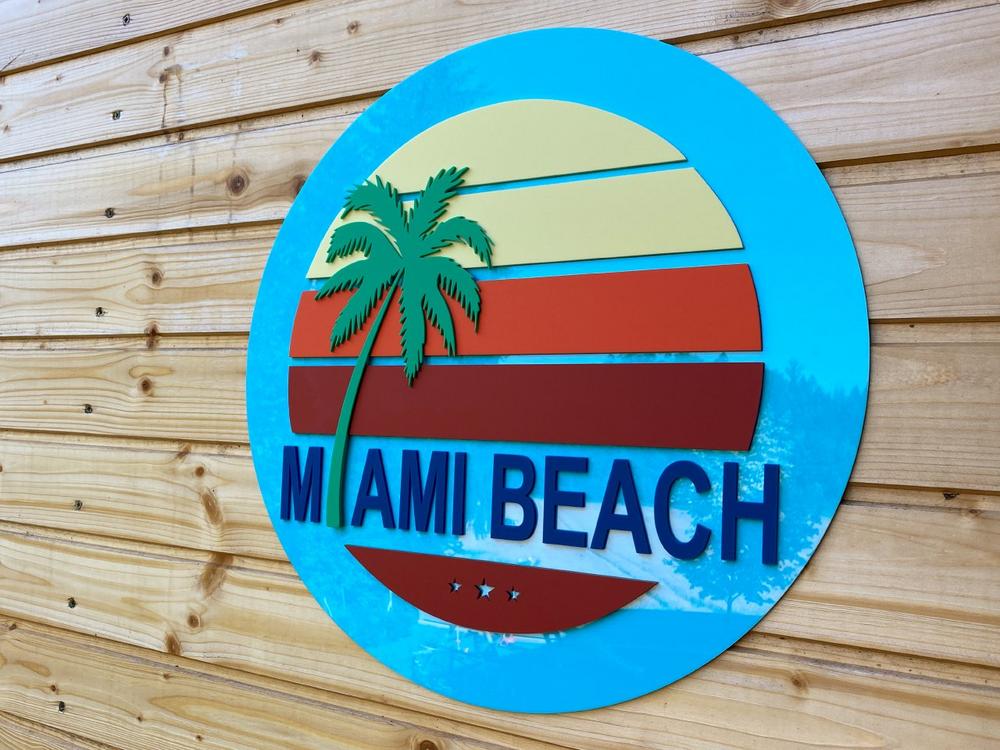
In sign production, sustainability is no longer limited to energy consumption or logistics. The focus is increasingly shifting to the materials themselves—particularly how they are selected, processed, and optimized to minimize waste. At the same time, digital workflows are emerging as a second critical lever. For companies working with laser technology, material selection is becoming a key factor in economical and sustainable production.
Challenges Are Shifting Toward Materials and Processes
In recent years, manufacturers have faced rising expectations from customers and regulatory authorities to demonstrate sustainable production practices. Although laser technology itself is widely recognized for its precision and efficiency, both the materials used and their processing significantly influence overall waste volumes.
Traditionally, material selection was determined by appearance, cost, and availability. Optimizing production processes, on the other hand, often played a secondary role. This can result in inefficiencies during laser cutting, unnecessary material consumption, and avoidable production errors. That is why many manufacturing companies today are reevaluating not only their materials but also the underlying processes—from design to the finished product.
Laser-optimized materials enable more efficient production
There is a growing shift in the industry toward materials specifically developed for laser applications. These substrates enable cleaner cuts, consistent engraving results, and optimized sheet utilization, all of which contribute to less material waste. Furthermore, they ensure reliable results for both individual customization projects and large-scale production runs.
Uniform material structures enable clean cut edges and reproducible engraving results. This reduces scrap, rework, and material loss—especially for production runs and complex designs. As a result, companies improve their material efficiency, reduce scrap, and increase the cost-effectiveness of their laser engraving and laser cutting processes.
Clear sustainability indicators simplify material selection
Another important development is the introduction of clearer sustainability indicators in material portfolios. Materials that meet defined environmental criteria are increasingly labeled so that users can identify more responsible options at a glance.
This reduces the complexity of material selection and enables production teams to make informed decisions without extensive research. In online stores, such materials are often marked with recognizable symbols—which helps companies integrate sustainability more consistently into their daily operations.
Applications Have an Immediate Impact on Waste Reduction
In retail environments where visual campaigns are frequently updated, the use of materials that minimize waste can significantly reduce the environmental footprint of short product lifecycles.
In interior design and custom branding, sustainable substrates allow for creative freedom while aligning with environmentally conscious brand values. Even in mass-production scenarios where efficiency is critical, optimized materials help increase yield and reduce scrap.
However, material selection alone does not fully solve the challenge. A key lever for further reducing material waste is the integration of software-supported production processes. Modern laser software goes beyond mere machine control and supports users throughout the entire production process—from job preparation and material optimization to error-free execution. Laser software solutions such as Ruby® support these efforts by enabling more efficient use of materials and reducing production errors.
Features such as intelligent nesting help make more efficient use of material by automatically arranging designs to save space. In addition, Vision Print & Cut and camera-assisted alignment features support the precise positioning of printed or pre-processed materials. This helps reduce cutting errors, rework, and material waste. This process reliability enables manufacturers to achieve consistent results while using less material. By combining sustainable material selection with advanced software-based optimization, manufacturers can go beyond incremental improvements and achieve a measurable reduction in waste—without compromising flexibility, quality, or production speed.
For manufacturers in the signage and display industry, the combination of sustainable laser materials and software-driven workflow automation is becoming a key competitive advantage. Companies can improve material efficiency and resource utilization, reduce scrap, and simultaneously ensure high production quality. By considering material selection and digital processes together, companies lay the foundation for more economical and sustainable production—without compromising flexibility or creativity.
Discover materials for signage, display, and branding applications.
Trotec is a global leader in laser technology, setting new standards in the field. As part of the TroGroup, this European innovation leader develops, produces and markets laser systems and machines for marking, cutting and engraving a variety of materials and substances. The product portfolio is rounded off with extraction systems and laser and engraving materials. Trotec’s 14 sales subsidiaries and around 700 employees support more than 40,000 systems in 90 countries. The export share is 97 per cent, and the current turnover for 2022 is €161 million. www.troteclaser.com
www.troteclaser.com
Trotec Laser GmbH
Freilinger Straße 99
A4614 Marchtrenk
Telefon: +43 7242 239-7777
Telefax: +43 7242 239-7380
http://www.troteclaser.com
