The European Emissions Trading System is Undergoing a Review
"The European Commission aims to strengthen Europe’s competitiveness, advance decarbonisation, and reduce dependence on fossil fuels."
For the waste management sector, the key issues are:
Gradual inclusion of waste incineration
Under the EU proposal, operators of municipal waste incineration plants would gradually become responsible for acquiring EU ETS allowances for their verified fossil CO₂ emissions.
Operators would be required to purchase allowances covering 25% of their verified fossil emissions in 2031. This share would increase to 50% in 2032, 75% in 2033, and reach 100% from 2034 onwards.
The proposal also keeps free emission allowances for eligible district heating plants, provides EU funding for carbon capture technologies, and allows auction revenues from emissions trading to support municipalities.
Unlike operators in other sectors covered by the emissions trading system, operators of waste treatment facilities have only limited influence over the quantity and carbon content of the waste they receive for treatment. Accordingly, the ongoing legislative process will take into account responsibility across the entire value chain in order to distribute costs in accordance with the polluter pays principle.
The Sacred Cow
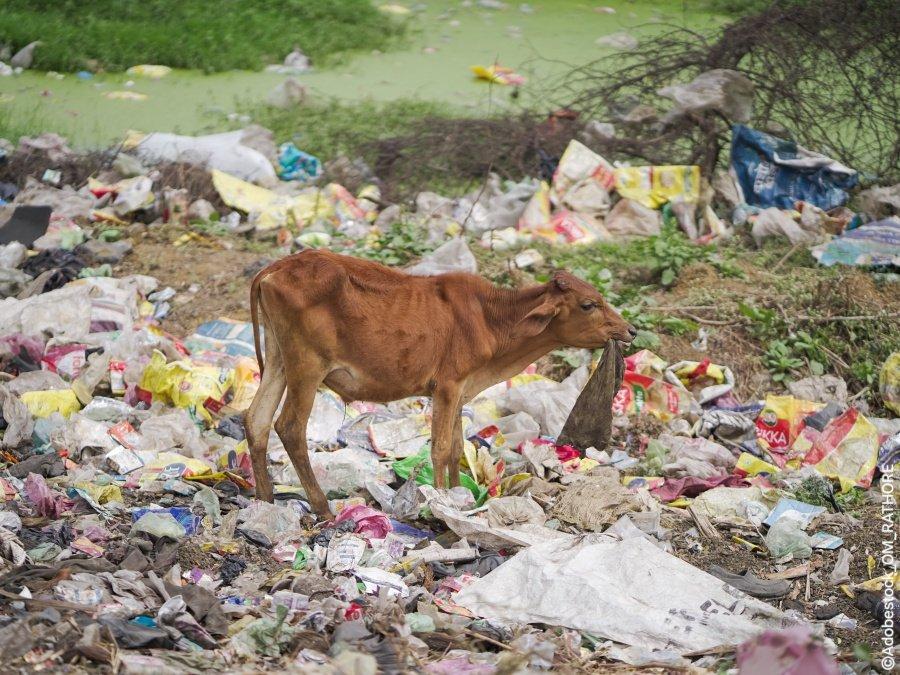
While emissions from waste incineration will gradually become subject to carbon pricing, landfill emissions are not planned to be included in the EU ETS. Instead, the Commission proposes the introduction of mandatory monitoring, reporting, and verification (MRV) of methane emissions from landfills. These requirements would only apply from 2034 onwards. By that time, municipal waste incineration will already be fully subject to the compliance obligations of the EU ETS.
“This part of the proposal raises important questions” says Werner Bauer, founder and speaker of WasteCulture, a global network of professional expertise in waste solutions. “It is precisely here that there is considerable potential for medium-term reductions in CO₂-equivalent emissions, as demonstrated by the experience gained over the past two decades with the landfill ban in the D-A-CH countries.”
It has been scientifically established that:
For many years, the Intergovernmental Panel on Climate Change (IPCC) has stressed that climate action cannot be delayed: "Urgent climate action can secure a liveable future for all." (IPCC Synthesis Report)
National Inventory Report (NIR) data show that CO₂ emissions increased between 2021 and 2022 in countries with high landfill rates, while they continued to decline in countries where landfilling has been phased out.
See the attached figure "Current Status of MSW Treatment" and table "Methane Emissions from European Landfills".
Delaying mandatory monitoring until 2034 ignores:
Reducing methane emissions from landfills—ideally by phasing out landfilling—is one of the fastest ways to reduce greenhouse gas emissions.
Europe is warming at twice the global average rate. This year alone, more than 430,000 hectares of land have already burned across Europe, and more than 300,000 people have been forced to flee their homes because of wildfires. Decarbonisation must not stop at the chimneys of waste incineration plants. Reducing methane emissions from landfills is of crucial importance for slowing climate change.
The amendments proposed by the European Parliament and the Council of the European Union should ensure that countries receive financial support for developing sustainable waste management systems. “Using EU ETS revenues to help countries develop sustainable waste management systems would strengthen Europe’s competitiveness while delivering significant climate benefits.”, Werner Bauer concludes.
WasteCulture is an independent knowledge brand and B2B platform fostering a global circular waste culture. Since 2017, it has connected over 5,000 international experts to share best practices, research, and insights. Operated by WtERT Germany GmbH, the platform promotes dialogue among waste management stakeholders — including scientists, industry representatives and policymakers — to advance sustainable waste management worldwide.
WasteCulture
Lipowskystraße 8
81373 München (Munich)
Telefon: +49 (89) 1891787-16
Telefax: +49 (89) 1891787-29
https://wasteculture.com
